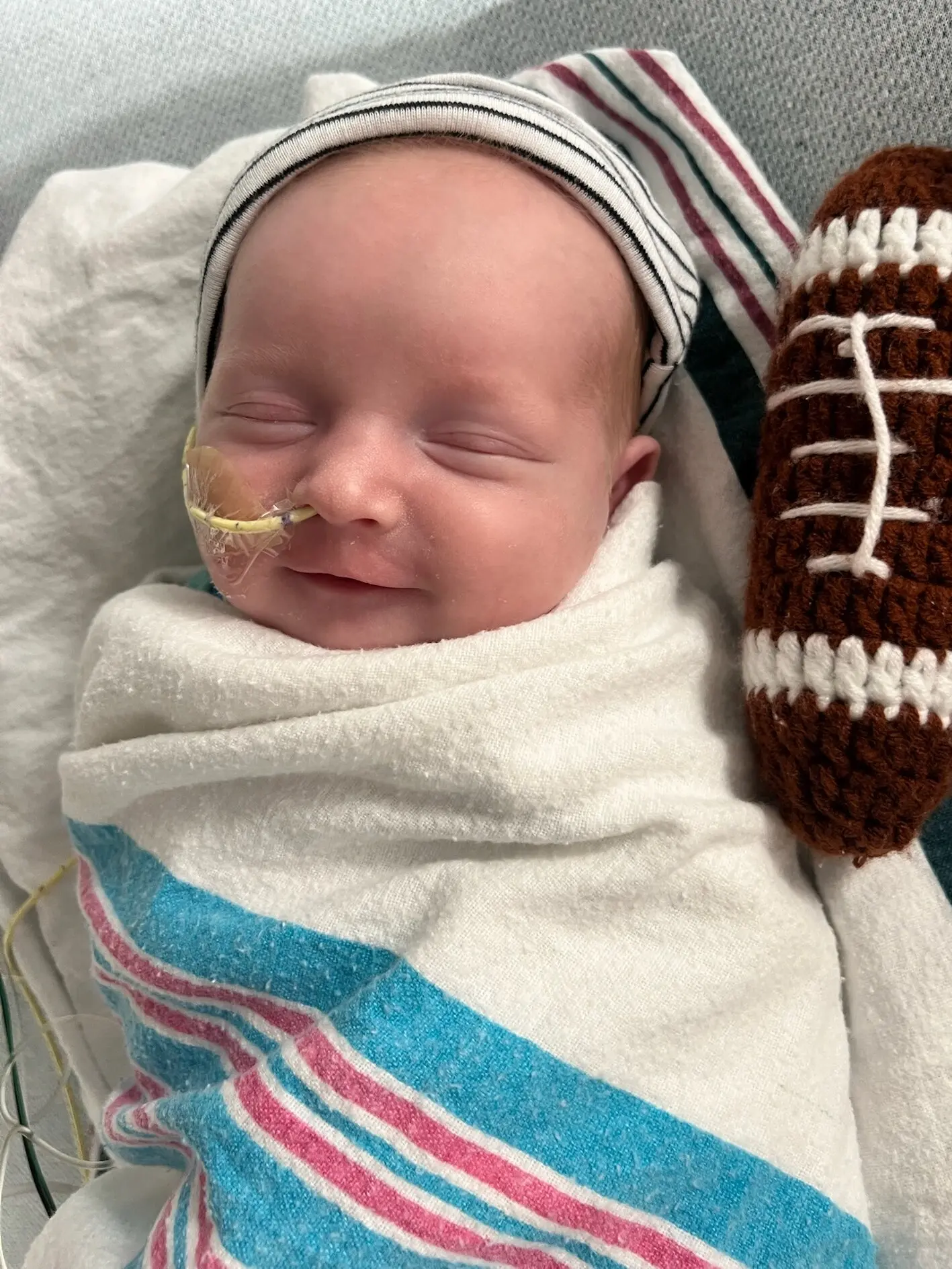
A group of doctors and researchers in the United States has achieved a breakthrough in the fight against a rare hereditary disease: for the first time, they applied individually developed gene therapy and achieved a complete cure for an infant. The results of the treatment have been published in The New England Journal of Medicine, an authoritative medical journal, and have been widely publicized.

The patient, an infant named KJ, was born with a deficiency of the enzyme CPS1, which, in severe cases, gives about a 50% chance of death in the first week of life. Survival in this disease is often accompanied by severe brain damage, developmental delays, and the need for liver transplantation.

The doctors used a unique technique based on CRISPR technology, directly editing the DNA in the patient’s body. This success was made possible thanks to many years of research, the decoding of the human genome, and the development of genetic engineering tools that now allow us to create customized solutions for a specific genetic defect.

Personalized gene therapy opens up new perspectives for the treatment of other hereditary diseases, from sickle cell anemia and cystic fibrosis to Huntington’s disease and muscular dystrophy. Individual CRISPR-based drugs have already received FDA approval for the treatment of sickle cell disease, but research in this area continues, and the described case may mark the beginning of a new era of medicine focused on the patient’s genetic profile.