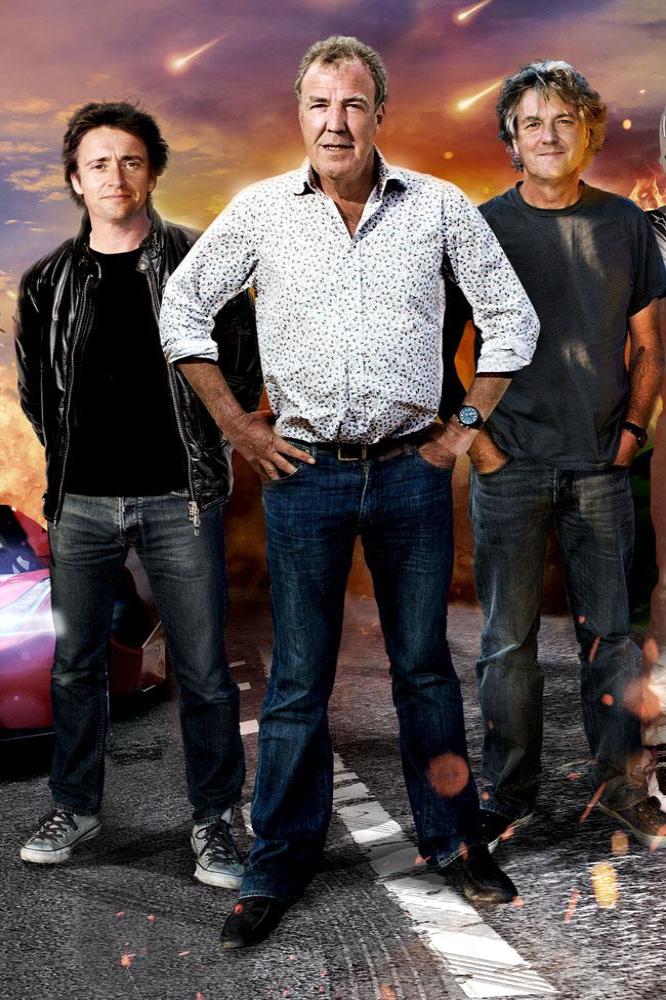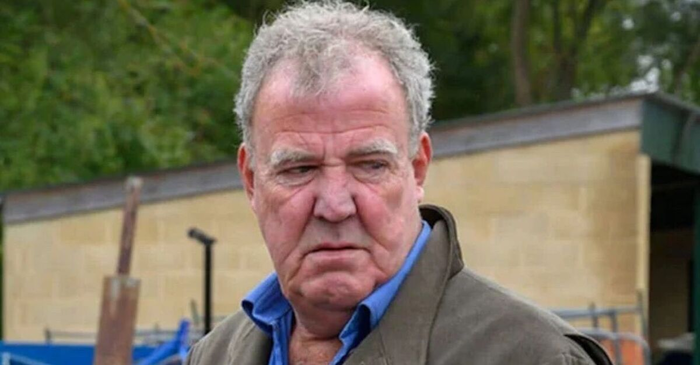
Jeremy Clarkson, in his column for The Times, criticized the BBC for “failing” in its usual policies and declining viewer interest, calling the broadcaster “at a new low.” He argues that while his own dismissal in 2015 was perceived as a “public” event, he now feels a sense of relief and even slight pride—after all, far more serious scandals have surfaced since he left the air.

In his piece, Clarkson lists high-profile cases that, in his view, compromise the BBC: the crimes and misconduct of Rolf Harris and Jimmy Savile, the Huw Edwards incident, and editorial failures—from the editing of Donald Trump’s speech on Panorama to a reporter with questionable ties in a story about Gaza. He also criticizes the invitation of a performer who incited the crowd at the Glastonbury broadcast and opposes what he calls the “right-wing” messaging in the new Doctor Who spin-off.

As remedies, Clarkson proposes radical measures: abolishing the license fee and reallocating resources towards expensive British drama series, as well as considering a merger with other players to create a British streaming service—a so-called “Britflix.” He praises BBC iPlayer as a technology but believes cheap daytime formats drain the budget and hinder competition with streaming giants.

Finally, he reminds readers of the context—his departure from the BBC after an incident with a producer and his subsequent career on The Grand Tour—and quotes former producer Andy Wilman’s opinion that the corporation’s management mishandles its presenters.