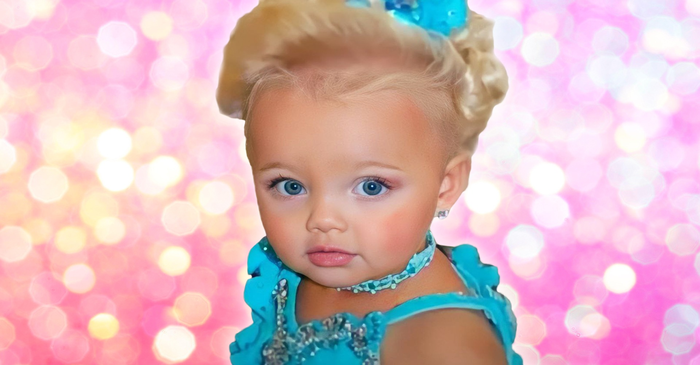
Once upon a time, little Aira literally enchanted the world with her angelic appearance: her delicate, doll-like face, clear blue eyes, and silky curls the color of ripe wheat made her a symbol of childlike beauty. The press called her “the most beautiful girl in the world,” and this title became her trademark for many years, accompanying her everywhere — from catwalks to television shows.

Her dazzling beauty opened doors for her in the fashion industry: magazine covers, advertising campaigns, and a queue of photographers dreaming of capturing her rare beauty. However, behind the glitz and glamour lay a harsh reality — even as a child, Aira became the main source of income for her family. This sparked a wave of criticism: many condemned her parents, accusing them of introducing their daughter to the world of professional glamour too early, depriving her of a carefree childhood.
While her peers were chasing balls in the yard or building huts, Aira spent hours in the spotlight, learning to pose and patiently endure endless fittings and makeup sessions. Her childhood turned into a schedule planned down to the minute, requiring adult stamina and discipline.

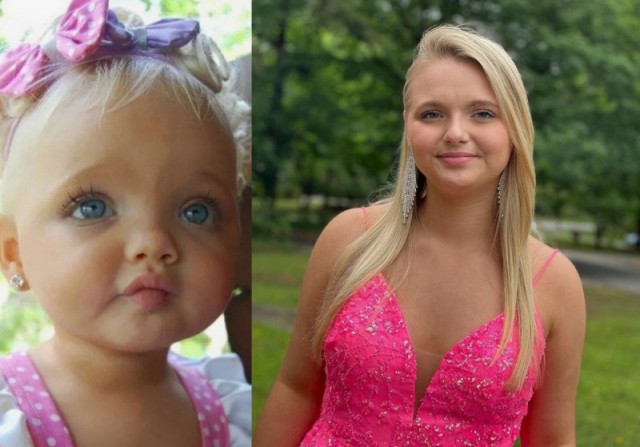
Over time, the bright halo around her name began to fade. The phones at modeling agencies fell silent, and Aira was no longer recognizable in a crowd. For some, she remained a charming girl, but for others, her former, almost unreal charm had vanished without a trace, leaving behind only a memory of the once sensational “most beautiful girl in the world.”